


The Pinnacles Western Australia
The Pinnacles Western Australia
Once you drive north from Perth some 20 minutes you are then on a single two way road named the Indian Ocean Drive. The landscape changes dramatically from the city life of Perth to the Coastal desert landscape before you.
Its amazing to see how the native shrubs and wild flowers have amazingly adapted to the sandy dry environment.
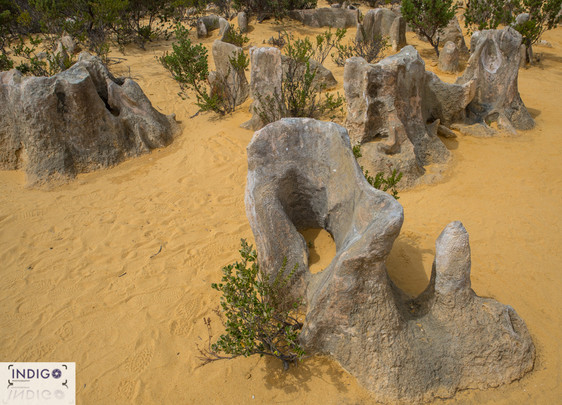
The Pinnacles –
Are made of limestone formations within Nambung National Park, near the town of Cervantes, Western Australia.
Located in: Nambung National Park
Address: Pinnacles Drive, Cervantes WA 6511
Pinnacles Discovery Centre is open from 9.30am to 4.30pm every day of the year except Christmas Day. National Park entry fees apply which is $13 per vehicle.
The best time of year to visit Nambung National Park is during August to October, when the wildflowers are blooming and vistas of wattles which stretch to the horizon and beyond, that being said in fine weather the park is great all year-round as It makes a fun day trip from Perth.
The Pinnacles Western Australia
Did you know: The Pinnacles Desert remained relatively undiscovered until it was surveyed in the year 1934.
“By day & by night, in the still of the summers afternoon or beneath the coastal winds soaring through the pinnacles desert, this is truly unique and ever changing place – This amazing brown land”
The raw material for the limestone of the Pinnacles came from seashells in an earlier era that was high in marine life. These shells were broken down into lime the base sand that was then blown inland to form high sand dunes.
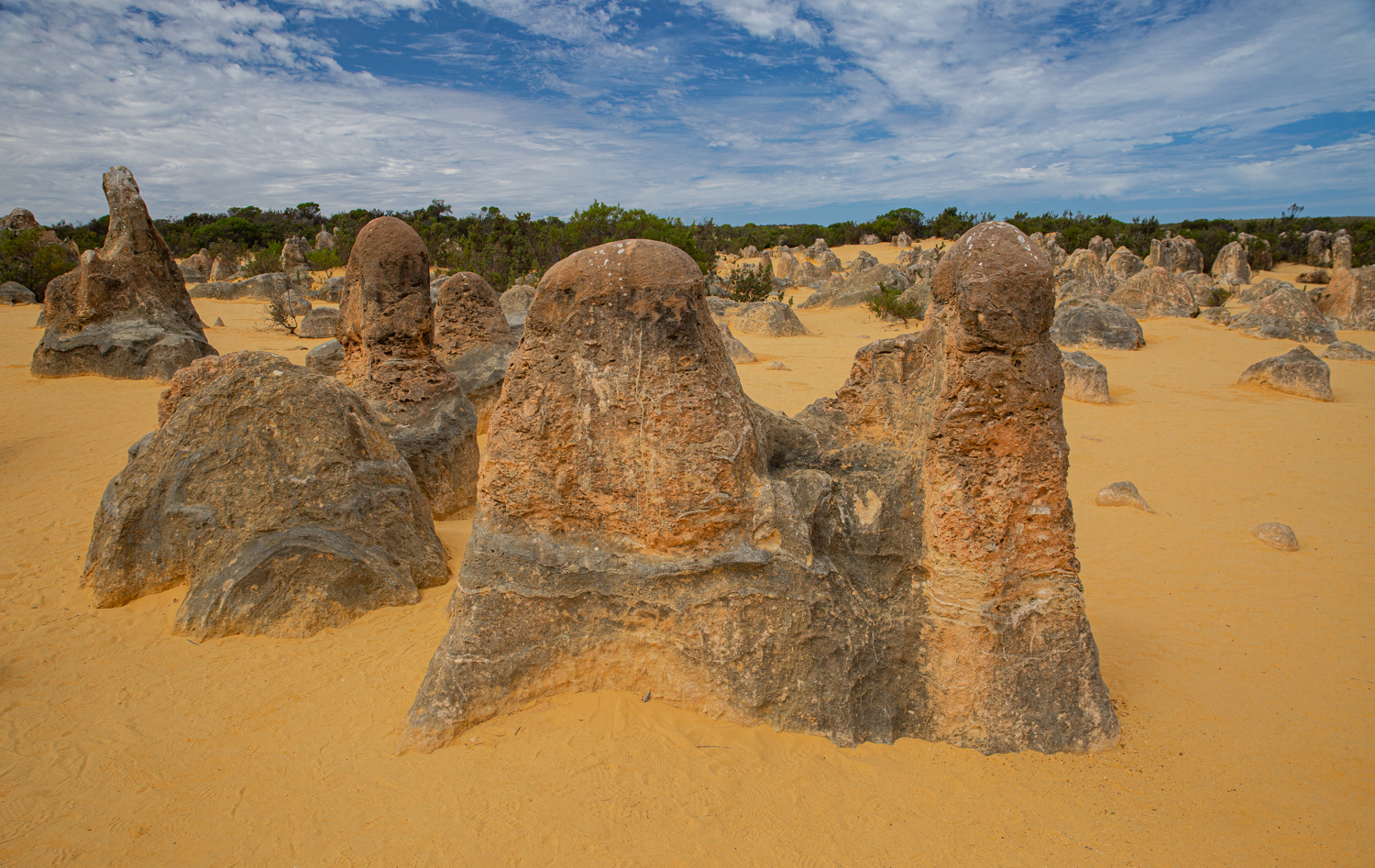
The Pinnacles

The first theory suggests that they were formed as remnants of the Tamala Limestone. Eg, that they formed as a result of a period of extensive solutional weathering (karstification). Focused solution initially formed small solutional depressions, mainly solution pipes. which were progressively enlarged over time, resulting in the pinnacle topography.
Some pinnacles represent cemented void infills (microbialites and/or re-deposited sand). which are more resistant to erosion, but dissolution still played the final role in pinnacle development.
Second theory states that they were formed through the preservation of tree casts. Roots became ground water conduits, resulting in the precipitation of indurated (hard) calcrete. Subsequent wind erosion of the aeolianite then exposed the calcrete pillars.
The third theory suggests that plants played an active role in the creation of the Pinnacles, As transpiration drew water through the soil to the roots. Nutrients and other dissolved minerals flowed toward the root, a process termed “mass-flow” that can result in the accumulation of nutrients. At the surface of the root, if the nutrients arrive in quantities greater than that’s needed for plant growth.
The Pinnacles Western Australia
In coastal aeolian sands that consist of large amounts of calcium (derived from marine shells). The movement of water to the roots would drive the flow of calcium to the root surface. This calcium accumulates at high concentrations around the roots and over time is converted into a calcite.
When the roots die, the space occupied by the root is subsequently also filled with a carbonate material derived from the calcium in the former tissue of the roots. And possibly also from water leaching through the structures. Although evidence has been provided for this mechanism in the formation of root casts in South Africa. Evidence is still required for its role in the formation of the Pinnacles.
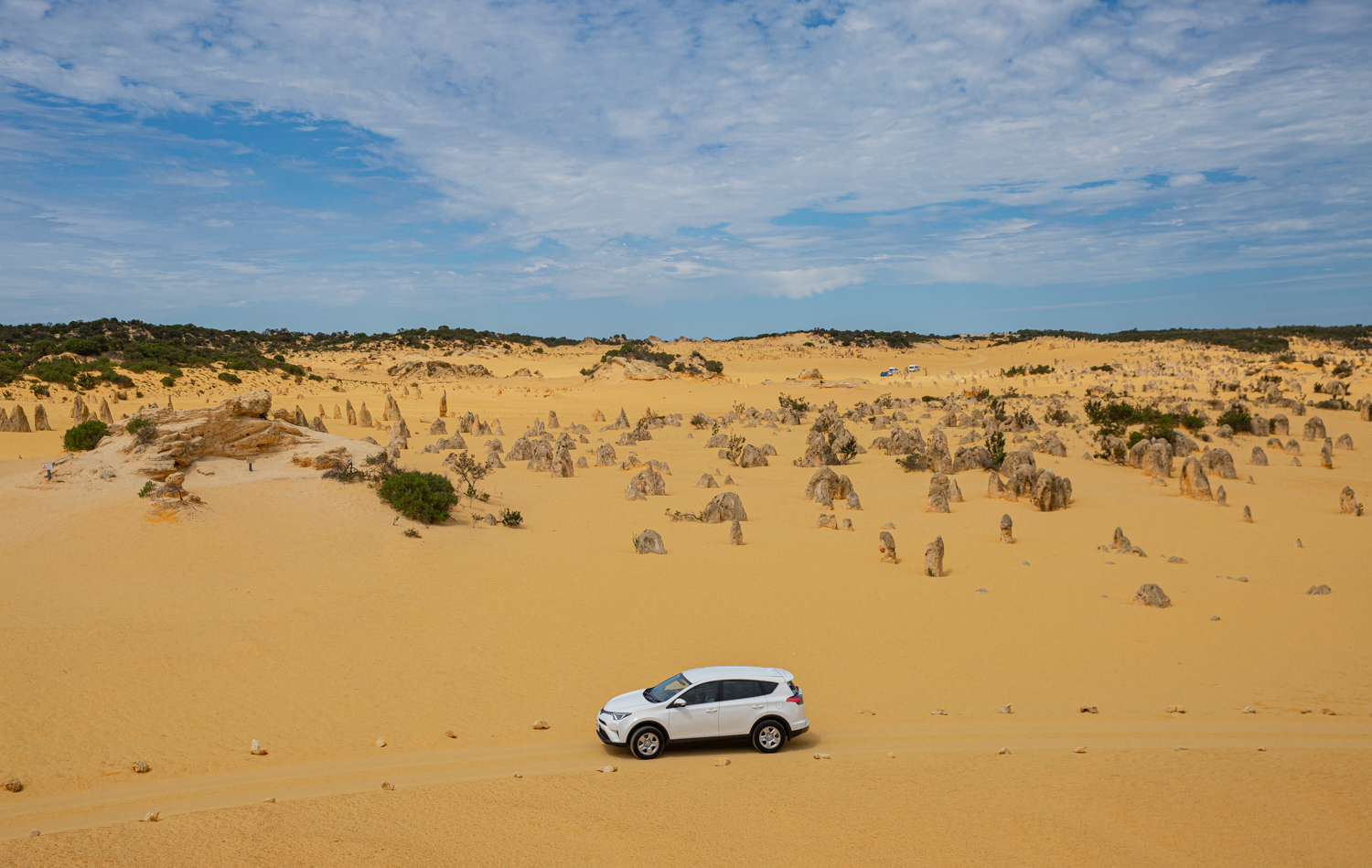

The Pinnacles Flora and funa –
Western grey kangaroos graze on the vegetation in the park, normally in the early morning. The kangaroos are considered quite tame, sometimes visitors are lucky enough to approach them.
black cockatoos and emus are often seen in the park, reptiles such as bobtails, sand goannas and carpet pythons are a few of the other park inhabitants.
Some of the most common plant species are panjang (a low-lying wattle), coastal wattle and banjine, quandong, yellow tailflower, thick-leaved fanflower and cockies tongues. Parrot bush, candlestick banksia, firewood banksia.
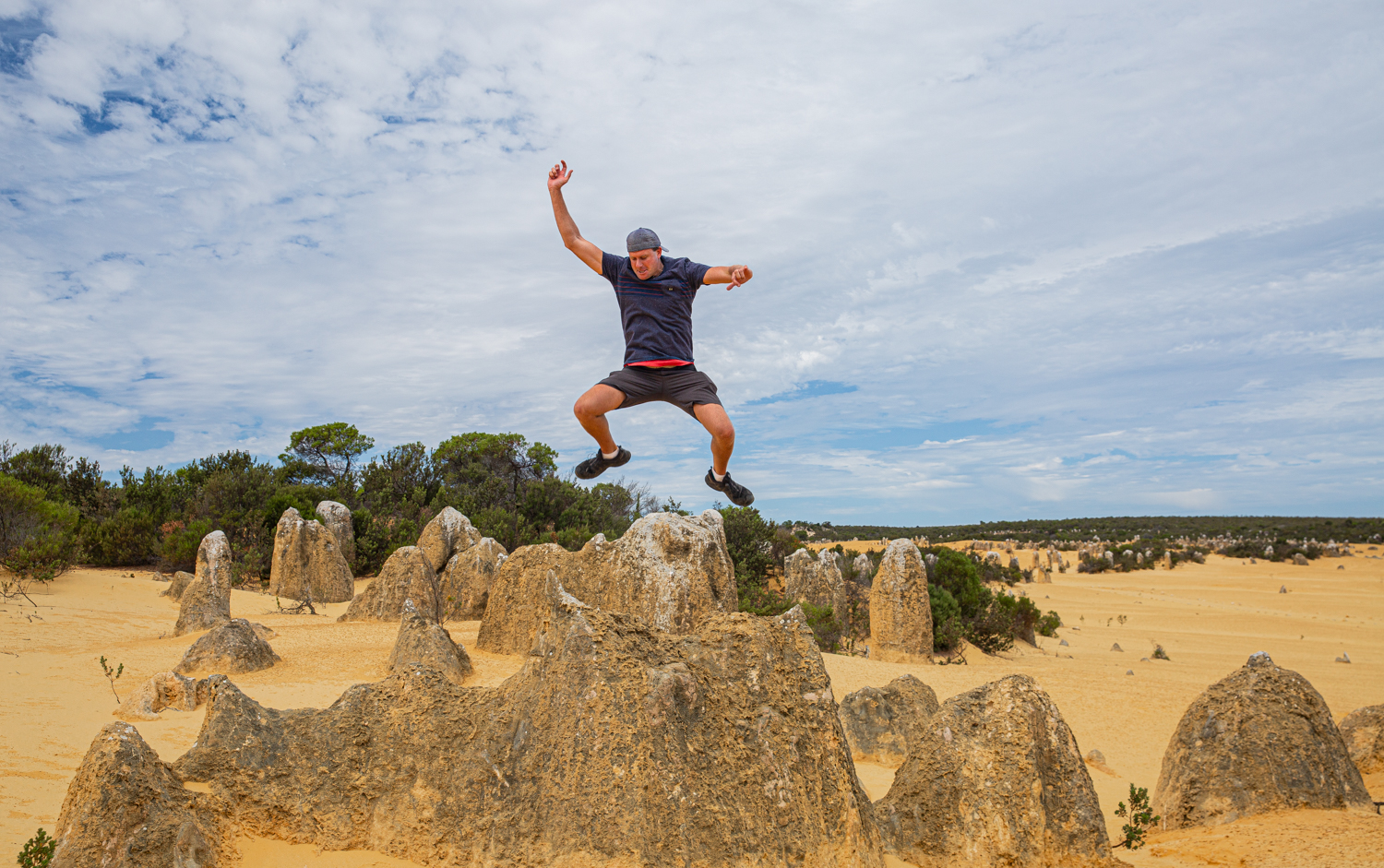
The Pinnacles
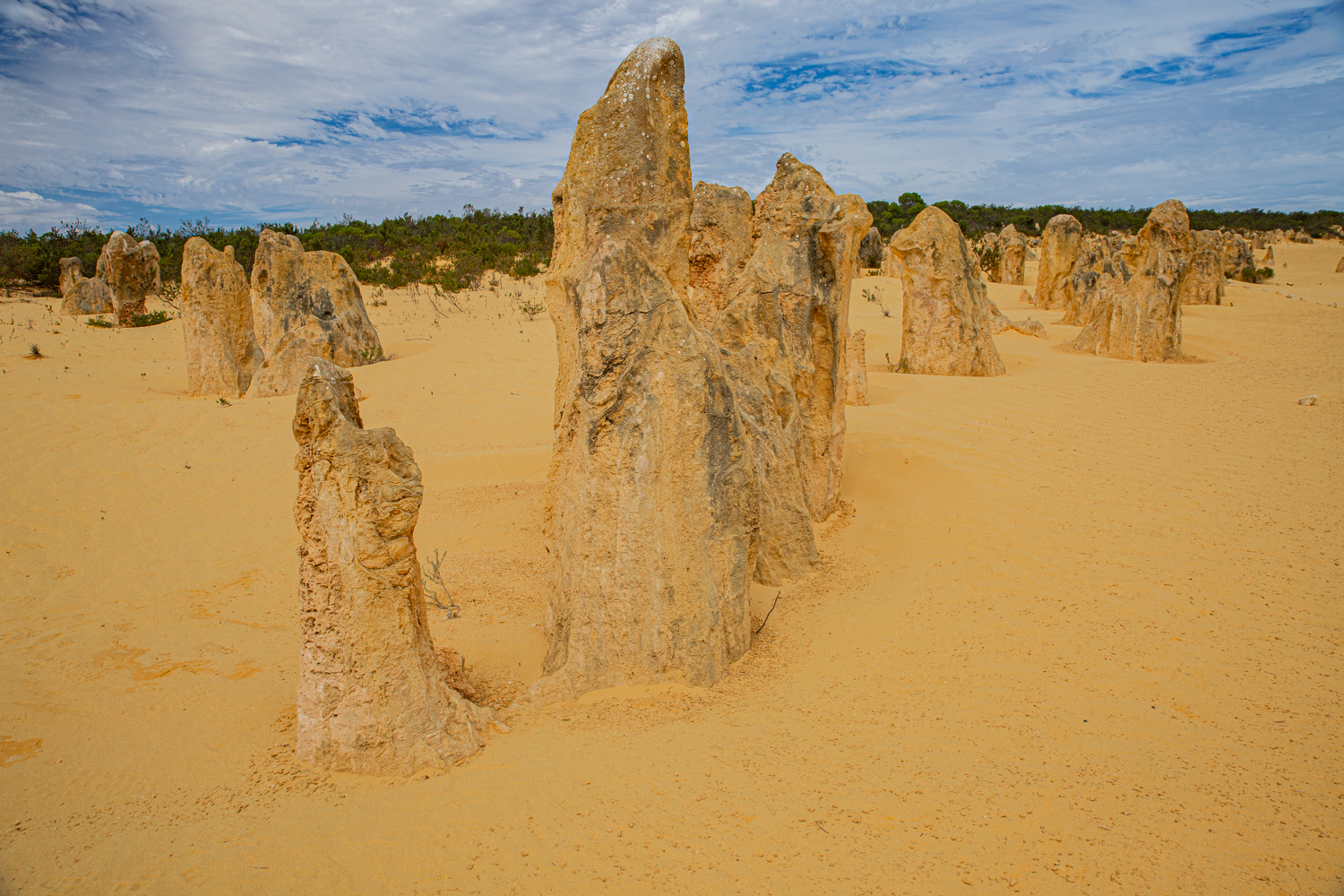
The Pinnacles
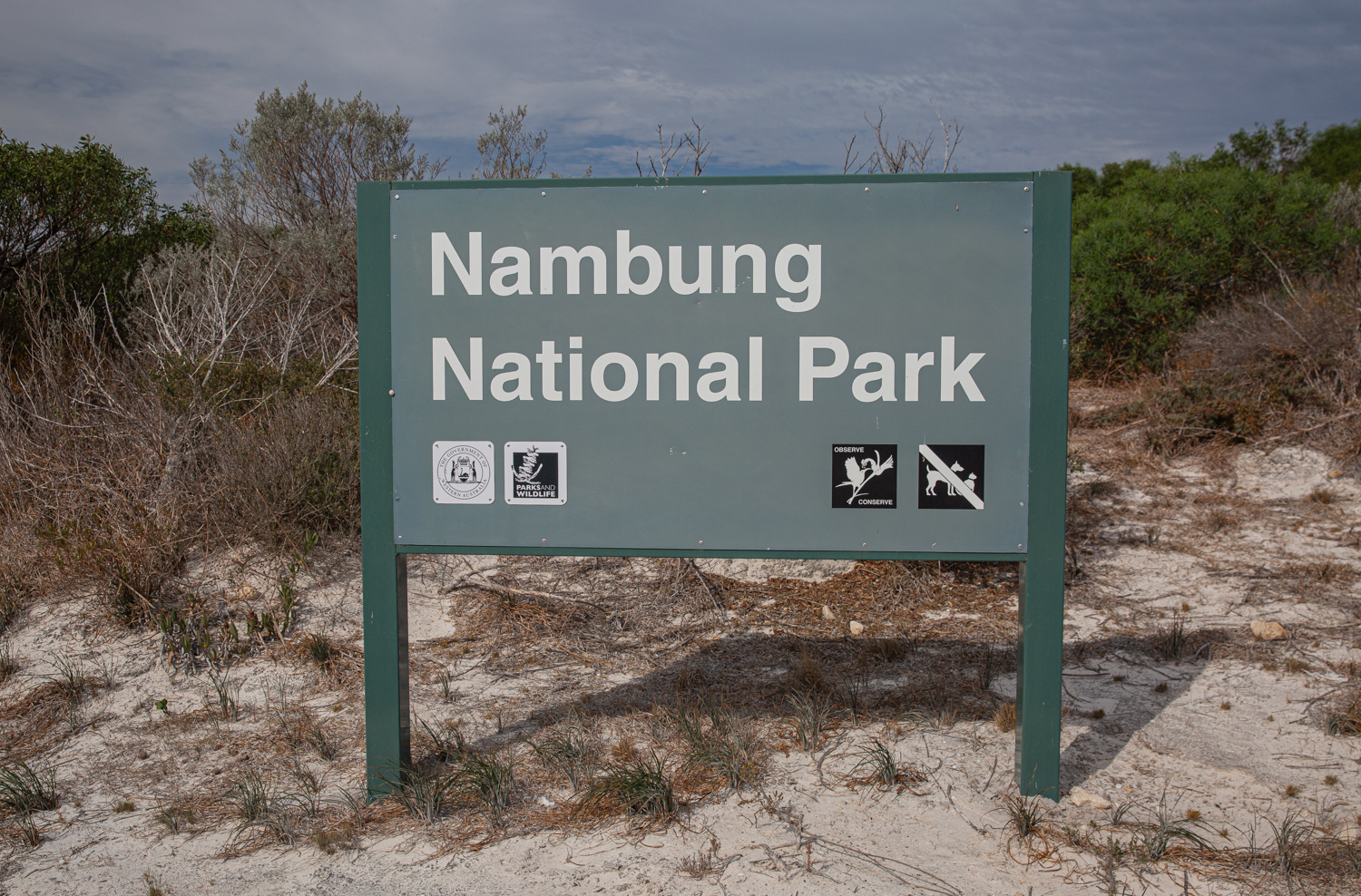
Nambung National Park
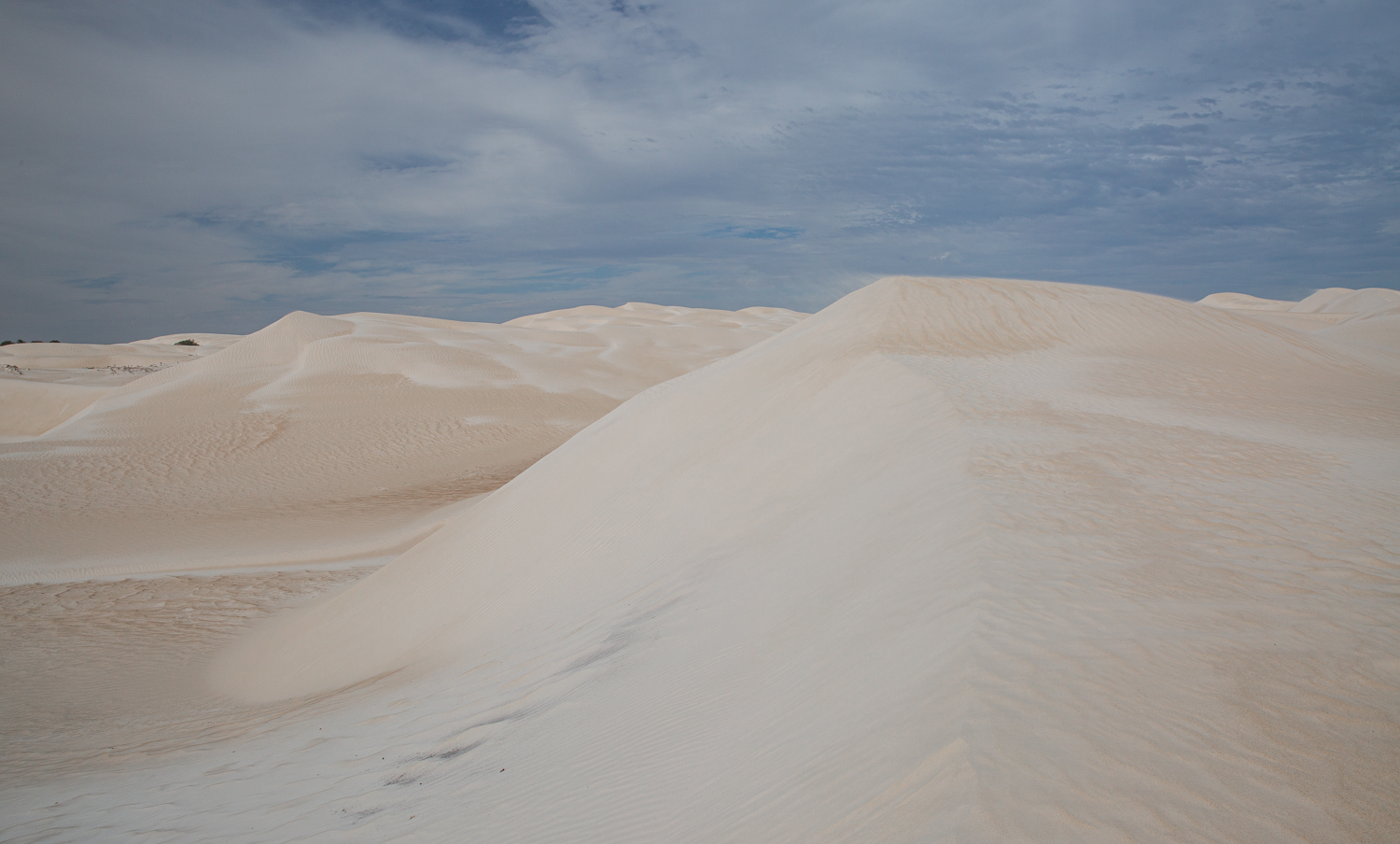
Nambung National Park
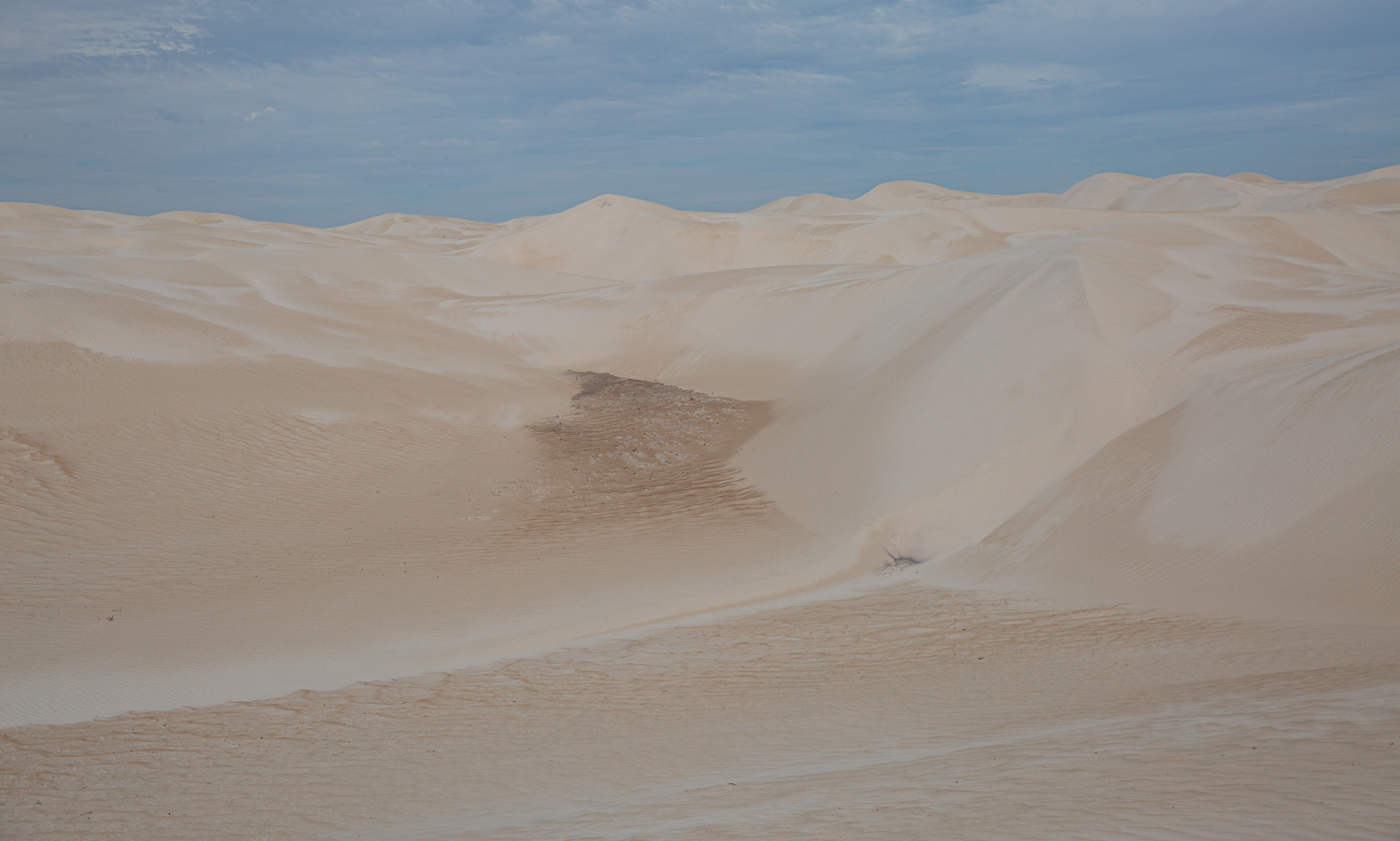
Nambung National Park
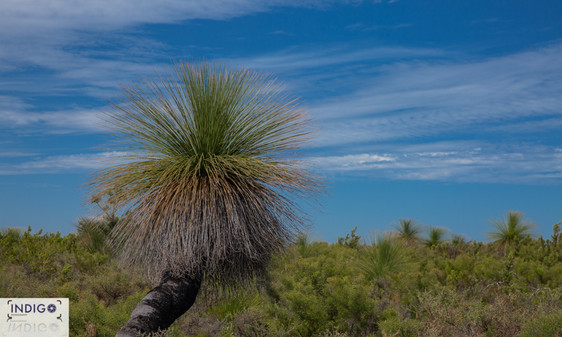
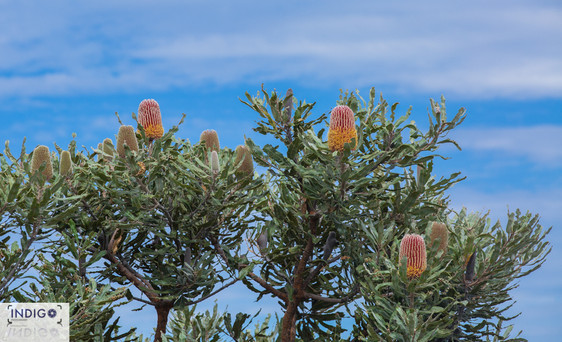
Banksia

Norman Herfurth
Indigo Photography
Yours In Adventure
“This Blog is of the Opinion of my own Personal Experiences and are not necessarily Fact.. and is written to the best of my knowledge, but there may be omissions, errors or mistakes. This blog is for entertainment and/or informational purposes only and shouldn’t be seen as any kind of advice.”